


Věda jako společné dobrodružství
Bioinženýrství pro nás není jen multidisciplinární obor propojující inženýrství s biologií, je to cesta, jak porozumět fascinujícímu světu kolem nás.
Staňte se součástí našeho týmu, zapojte se do reálného výzkumu a pojďme společně vyvíjet nanovlákenné materiály použitelné v medicíně.
Co můžete studovat?

Bc. Bioinženýrství
Průnik biologie, techniky a inovací
Fascinuje vás propojení chemie s biologií a technologiemi? Láká vás objevování nových biomateriálů nebo udržitelných biotechnologií? Pak je bioinženýrství to pravé. Připravte se na kombinaci biologických, chemických a inženýrských předmětů, které vás vybaví pro práci ve výzkumu, vývoji i průmyslu.

NMgr. Bioinženýrství
Pro ty, kteří chtějí posunout své znalosti v oblasti bioinženýrství na vyšší úroveň. Magisterský program se zaměřuje na pokročilé biotechnologické procesy, tkáňové inženýrství a další specializované oblasti. Je určen pro absolventy bakalářských programů, kteří se chtějí věnovat výzkumu a vývoji nových technologií v biomedicíně, farmaceutickém průmyslu nebo ekologii. Připravte se na samostatnou vědeckou práci a řešení komplexních problémů.

This email address is being protected from spambots. You need JavaScript enabled to view it.
Chcete posouvat hranice vědy a podílet se na výzkumu, který má dopad na medicínu, životní prostředí i průmysl? Doktorské studium bioinženýrství na Katedře chemie FP TUL vám nabízí špičkové zázemí, individuální přístup a možnost zapojit se do mezinárodních projektů.


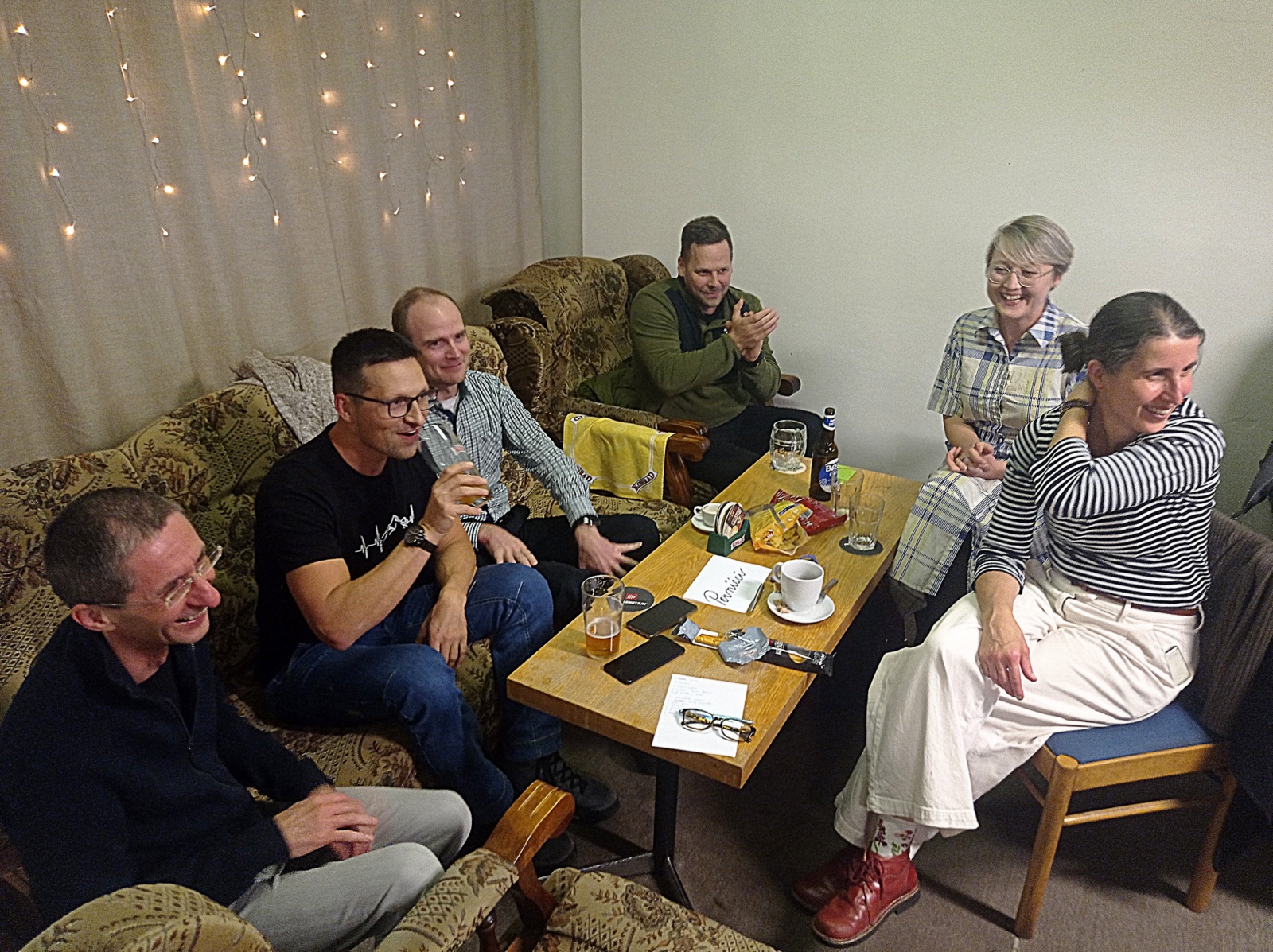
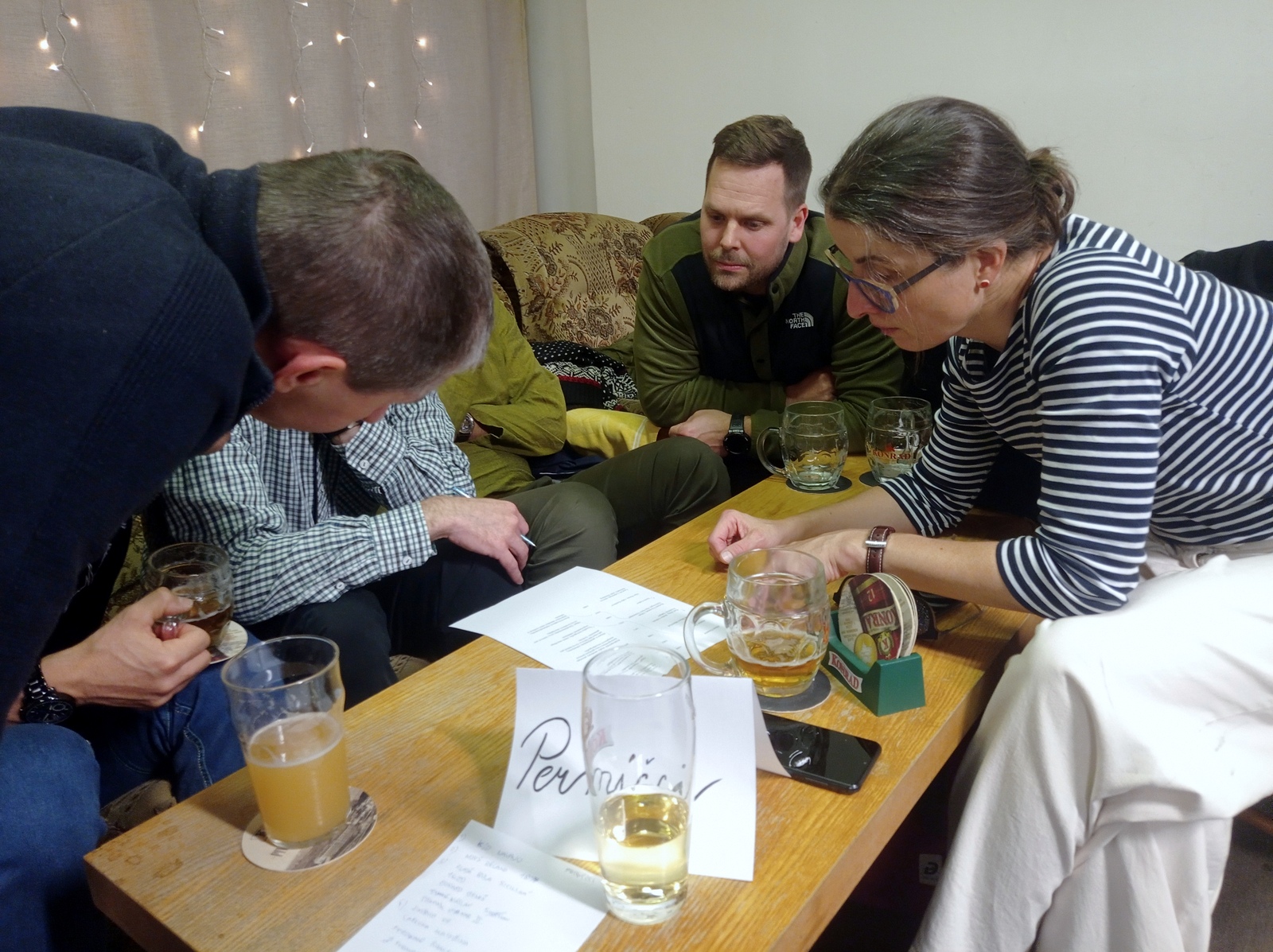
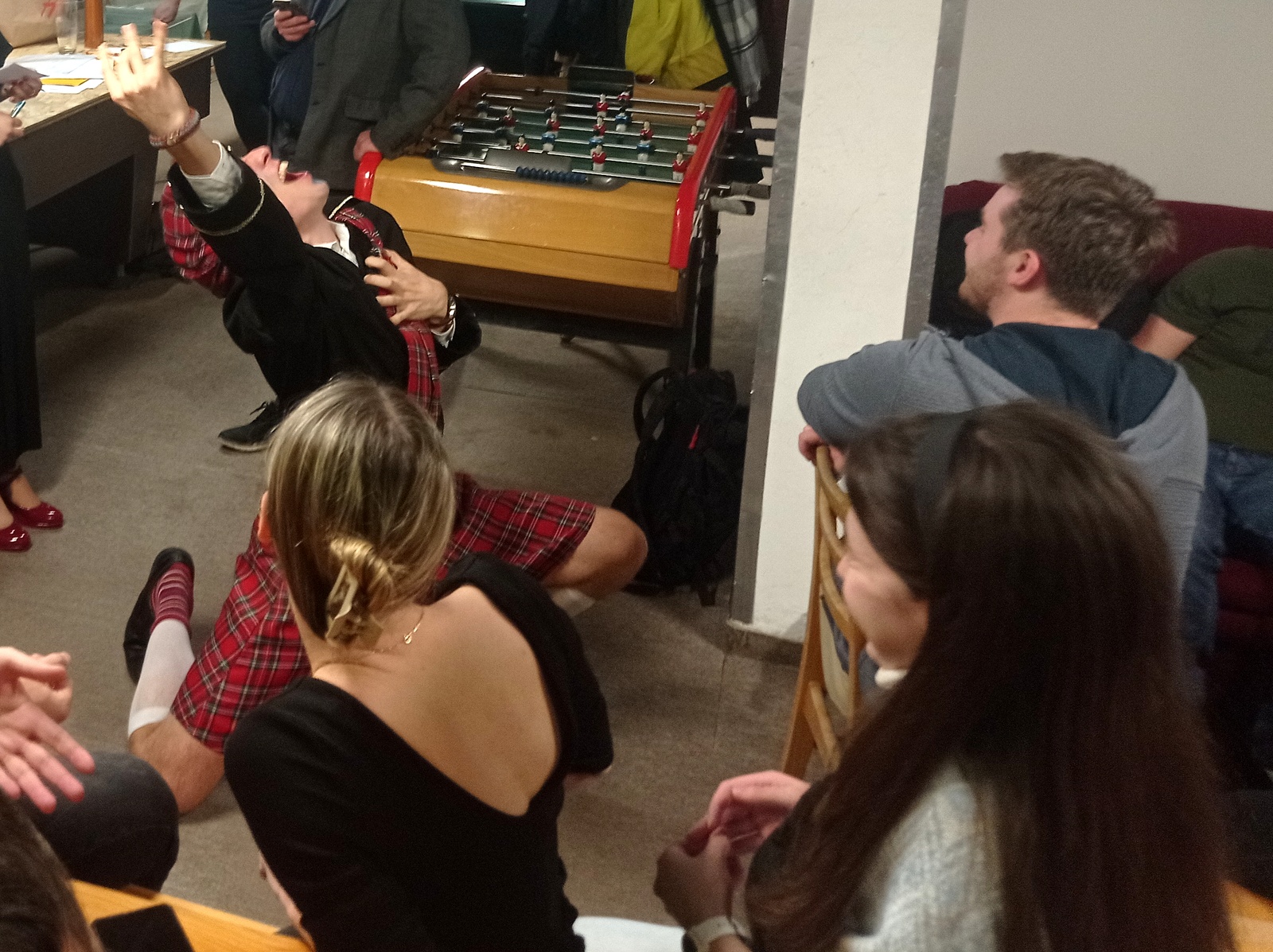
Potkáváme se i mimo školu
Výuku zajišťuje

Partneři týmu

Aston University

Atmus Filtration Technologies

Auburn University

BIOCEV

Budapest University of Technology and Economics

CEITEC

Centrum organické chemie

Clemson university

Contipro Group

Elmarco

Fyziologický ústav, AV ČR

ITA RWTH Aachen University

Katedra jednoúčelových a textilních strojů FS TUL

Katedra společenských a humanitních věd FP TUL

Krajská nemocnice Liberec

MemBrain

Nanopharma

Nanoprogress

NANOTEX GROUP

North Carolina State University

Odetka

Pardam

PEGAS NONWOVENS

Sindat

SINTEX

University of Alabama at Birmingham

University of Birmingham

Ústav experimentální medicíny AV ČR

Ústav struktury a mechaniky hornin, AV ČR

VŠCHT v Praze

Zentiva Group
Mapa partnerů týmu
Aston University
Aston University received its Royal Charter from Queen Elizabeth II on 22 April 1966. The University is an educational charitable and chartered corporation. The Teaching Excellence Framework (TEF), has given Aston University a Gold award – the highest possible accolade. Aston is ranked 2nd in UK for boosting graduate salaries (The Economist, based on Longitudinal Education Outcomes dataset 2017).
Atmus Filtration Technologies
Atmus Filtration Technologies is a global leader in filtration solutions for on-highway commercial vehicles and off-highway vehicles and equipment. We design and manufacture advanced filtration products that enable lower emissions and provide superior asset protection.
We combine our culture of innovation along with deep industry experience to deliver superior filtration for our customers. Our technical team develops technologies ranging from filtration media, filter element formation and filtration systems integration to service-related solutions such as remote digital diagnostic and prognostic platforms and analytics.
Founded by Cummins in 1958, but independent in 2023, Atmus continues to build on a 65-year history, differentiating ourselves through a vast global footprint, comprehensive portfolio of premium products, technology leadership and multi-channel path to market.
Auburn University
Auburn University has a rich history dating back to 1856, when it was founded as the East Alabama Male College — just 20 years after the city of Auburn was established. In 1872, it became the first land-grant college in the South under the Morrill Act, adopting the name Agricultural and Mechanical College of Alabama. The institution continued to evolve, becoming the Alabama Polytechnic Institute in 1899. Finally, in 1960, it was renamed Auburn University, a title that reflects both its location and its growth into a comprehensive, nationally recognized university with a broad academic curriculum.
The Samuel Ginn College of Engineering is focused on providing the best student-centered engineering experience in America. We pride ourselves on providing hands-on, experiential learning opportunities for students both inside and outside the classroom. By providing a student-centered learning experience and high levels of engagement with faculty, we graduate engineers capable of addressing some of the world’s most pressing challenges in the engineering field.
BIOCEV
Biotechnologické a biomedicínské centrum AV a UK, zkráceně BIOCEV je společným projektem šesti ústavů Akademie věd ČR (Ústav molekulární genetiky, Biotechnologický ústav, Mikrobiologický ústav, Fyziologický ústav, Ústav experimentální medicíny a Ústav makromolekulární chemie) a dvou fakult Univerzity Karlovy v Praze (Přírodovědeckou fakultou a 1. lékařská fakulta), jehož cílem je realizace vědeckého centra excelence v oblastech biotechnologií a biomedicíny.
Budapest University of Technology and Economics
University was founded in 1635. More than 110 departments and institutes operate within the structure of eight faculties. About 1100 lecturers, 400 researchers and other degree holders and numerous invited lecturers and practising expert specialists participate in education and research at the Budapest University of Technology and Economics. Approximately 800 of the university's 14.000 students are from 50 countries abroad. The Budapest University of Technology and Economics issues about 70% of Hungary's engineering degrees.
Faculty of Mechanical Engineering, Department of Polymer Engineering: Dr. László Mészáros
CEITEC
CEITEC (akronym z Central European Institute of Technology, česky Středoevropský technologický institut) je evropské výzkumné vědecké centrum zaměřené na oblast živých věd, pokročilých materiálů a nanotechnologií. CEITEC byl založen skupinou brněnských univerzit (Masarykova univerzita, Vysoké učení technické v Brně, Mendelova univerzita v Brně a Veterinární a farmaceutická univerzita Brno) a výzkumných institucí (Ústav fyziky materiálů Akademie věd České republiky a Výzkumný ústav veterinárního lékařství) a podporují ho Jihomoravský kraj a město Brno.
Centrum organické chemie
Společnost Centrum organické chemie s.r.o. (dále jen COC) je výzkumnou organizací, která se zabývá organickou elektronikou. Jejím primárním cílem je provádět základní výzkum, aplikovaný výzkum či experimentální vývoj a šířit takto získané výsledky prostřednictvím transferu technologií, odborných publikací nebo výuky.COC se zaměřuje především na pokročilou práci s organickými sloučeninami, které se vyznačují řadou zajímavých fyzikálních a chemických vlastností. Právě ony vlastnosti činí tyto chytré materiály nesmírně zajímavými. Jedná se o podnětné pole výzkumu s ohledem na možnosti využití výsledků v elektronice, fotovoltaice a dalších oborech.
Kromě jiného se COC se zabývá též problematikou π-π elektronových systémy, jež jsou využívány pro vědecké účely. Výzkumný program COC zahrnuje také procesy povrchových úprav materiálů, jejichž cílem je zlepšení jejich funkce či prodloužení životnosti.
V oblasti vědecké práce COC spolupracuje s řadou českých a zahraničních akademických institucí i s výrobními společnostmi.
Společnost Centrum organické chemie s.r.o. je držitelem certifikace ISO 9001:2008.
Clemson university
Clemson University offers countless opportunities for students, faculty and community members to participate in decades of tradition, improve quality of life for their surrounding communities and pursue academic challenges. Ranked as the 23rd best national public university by U.S.News and World Report, Clemson is a vibrant student-centered community that thrives on leadership, collaboration and a winning spirit — in academics, athletics and life.
To become one of the country’s top-tier research universities, Clemson University has combined the scientific and technological horsepower of a major research university with the academic and social environment of a small college. Just as founder Thomas Green Clemson intertwined his life with the state’s economic and educational development, this University’s students and faculty impact lives daily with their research and service.
Contipro Group
Holding CONTIPRO se více než dvacet let zabývá výzkumem, vývojem a biotechnologickou výrobou aktivních látek pro kosmetický a farmaceutický průmysl. Díky vynikající kvalitě produkce a rozsáhlému výzkumnému zázemí patří mezi přední světové výrobce kyseliny hyaluronové a z ní odvozených aplikací.
Elmarco
Elmarco je první firmou na světě, která vyrábí a prodává zařízení na výrobu nanovlákenného materiálu v průmyslovém měřítku. Základem úspěchu firmy je spolupráce s předními světovými univerzitami a průmyslovými společnostmi působícími na globálním trhu. Unikátní technologie NanospiderTM, vyvinutá společností Elmarco, je navržena tak, aby splňovala všechny požadavky na výrobu vysoce kvalitních nanovláken k všestrannému použití. Elmarco vlastní 100 celosvětových patentů.
Fyziologický ústav, AV ČR
Fyziologický ústav (FGÚ) Akademie věd České republiky, v. v. i. , patří k předním výzkumným institucím v České republice. Ústav se zabývá výzkumem oblasti normální i patologické fyziologie, zejména se zaměřením na:
- Nervovou soustavu a mozek,
- Kardiovaskulární systém,
- Specifické oblasti metabolismu.
ITA RWTH Aachen University
The ITA Group International Centre for Sustainable Textiles focuses its core competence on the goal of ensuring the holistic biotransformation of textile technology and thus the use of biological principles for small-scale value-added processes. The ITA Group International Centre for Sustainable Textiles is an international research and training service provider for fibre-based high-performance materials, textile semi-finished products and its manufacturing processes with about 400 employees.
Institut für Textiltechnik of RWTH Aachen University M.Sc.: Caroline Emonts
Katedra jednoúčelových a textilních strojů FS TUL
Katedra textilních a jednoúčelových strojů FS TUL zajišťuje výuku ve všech třech typech studijních programů – v bakalářském, magisterském a doktorském. V bakalářském studijním programu nabízíme vedení závěrečných prací a výuku vybraných předmětů. V navazujícím magisterském studijním programu zajišťujeme výuku v programu Konstrukce strojů a zařízení se zaměřením na jednoúčelové a textilní stroje. V doktorském studijním programu zajišťuje výuku v programu Stavba strojů. Zabýváme se konstrukcí, výzkumem a vývojem pokročilých struktur textilních a jednoúčelových strojů a linek. Významný je výzkum a vývoj nových strojních zařízení a provozních linek pro výrobu nanovlákenných útvarů. Výzkumné činnosti jsou podpořeny teoretickým výzkumem s využitím modelování a simulací a experimentálním vývojem. Pracoviště aktivně spolupracuje s průmyslem a výzkumnými ústavy a je trvale zapojena do mezinárodních vzdělávacích programů.
prof. Jaroslav Beran, doc. Jan Valtera
Katedra společenských a humanitních věd FP TUL
Katedra společenských a humanitních věd na Technické univerzitě v Liberci nabízí studium v bakalářském studijních programu Základy společenských věd se zaměřením na vzdělávání; dále nabízí navazující studijní program Učitelství občanské výchovy pro 2. stupeň základních škol a nově (od AR 2020/2021) i navazující studijní program Učitelství základů společenských věd pro střední školy. Již samotné vymezení těchto programů naznačuje, že katedra společenských a humanitních věd není pouze katedrou filozofů, ale nabízí i široké spektrum sociálních věd - od sociologie, přes antropologii, po religionistiku. Mezi klíčové vědecké principy uplatňované na katedře tedy patří kritický přístup, respekt k jinakosti a humanistická tolerance.
Projekt TAČR TL04000023: Podpora pro etické rozhodování v oblasti výzkumu a vývoje nanotechnologií
Krajská nemocnice Liberec
Krajská nemocnice Liberec, a.s. (KNL) je největším zdravotnickým zařízením v Libereckém kraji. Sdružuje libereckou nemocnici, Nemocnici Turnov a Nemocnici Frýdlant. Krajská nemocnice Liberec je pro pacienty zárukou kvalitních medicínských i ošetřovatelských postupů dodržovaných na základě akreditace SAK. Péče je poskytována nejenom v rozsahu základních medicínských oborů ale i klíčových center, která mají akreditaci Ministerstva zdravotnictví České republiky na poskytování super specializované péče – Traumatologicko-ortopedického centra, Komplexního onkologického centra, Kardiocentra, Cerebrovaskulárního centra, Centra nukleární medicíny a Iktového centra.
MemBrain
MemBrain s.r.o. je výzkumná, inženýrsko-technologická společnost, která svou činnost zaměřuje na základní a aplikovaný výzkum a další inovační aktivity v oblasti membránových procesů a zejména na přenos poznatků vědeckého výzkumu do komerční praxe. Hlavním oborem činnosti jsou membránové separační procesy (elektrodialýza, elektrodeionizace, membránová elektrolýza, reverzní osmóza, mikrofiltrace, ultrafiltrace, nanofiltrace) i s potřebnými předúpravami (oxidace, redukce, iontová výměna, filtrace, flotace, flokulace, sedimentace).
Nanopharma
Hlavní oblastí podnikatelských aktivit Nanopharma, a.s. jsou vývoj, výroba a využití nanovlákenných struktur v medicíně.
Zejména se jedná o:
- přípravu nanovláken z polymerních materiálů, včetně biodegradovatelných,
- zakázkovou přípravu kompozitních nosičů pro tkáňové inženýrství,
- zakázkovou tvorbu a přípravu inteligentních nosičů pro řízené dávkování látek,
- přípravu inteligentních krycích a chirurgických sítí,
- výrobu prostředků pro somatickou terapii,
- vývoj metodik zvlákňování materiálů.
Nanoprogress
Klastr Nanoprogress se zaměřuje na výzkum a vývoj funkcionalizovaných nanovlákenných struktur a jejich aplikací do průmyslu a biomedicíny. Nanoprogress patří mezi excelentní evropské klastry a je spoluzakladatelem Evropského strategického klastrového partnerství „AdPack“. V rámci kolektivního výzkumu byly vyvinuty sofistikované metody funkcionalizace nanovlákenných struktur, navrženy a zkonstruovány celosvětově ojedinělá zařízení schopná připravovat nanovlákenné struktury typu „jádro/plášť“ a zařízení pro přípravu lineárních kompozitních nanovlákenných struktur, která jsou založena na nové technologii zvlákňování pomocí střídavého proudu. Dále byl zkoumán potenciál nanovlákenných struktur připravovaných na těchto unikátních zařízeních pro průmyslové a biomedicínské aplikace.
Klastr Nanoprogress sídlí v Pardubicích a působí celkově v pěti městech České republiky. Kromě sídla má klastr tři provozovny, v Buštěhradě, Liberci a Roudnici nad Labem. Liberecká provozovna a provozovna v Roudnici nad Labem je zaměřena na technologický výzkum a provozovna Buštěhrad na biomedicínský výzkum. Klastr dále disponuje jednacím místem pro Prahu. Většina členů klastru má sídlo či provozovny do vzdálenosti 150 km od míst, kde klastr působí. Toto umístění zjednodušuje komunikaci a usnadňuje osobní jednání. Výjimku tvoří převážně zahraniční členové, kteří sídlí v Anglii a Portugalsku. Členská základna tedy geograficky pokrývá tři evropské země. Partneři klastru se nacházejí v devíti světových státech.
NANOTEX GROUP
NANOTEX GROUP s. r. o. patří mezi české i evropské průkopníky výroby nanovláken. Díky špičkově vybaveným laboratořím a výrobnímu závodu s největší kapacitou pro průmyslovou produkci nanovlákenných textilií v Evropě plní požadavky těch nejnáročnějších klientů.
Je nositelem certifikátů:
- ČSN EN ISO 9001:2016 Systém managementu kvality,
- ČSN EN ISO 14001:2016 Enviromentální management,
- ČSN OHSAS 18001:2008 Systém managementu bezpečnosti a ochrany zdraví při práci.
North Carolina State University
With more than 34,000 students and nearly 8,000 faculty and staff, North Carolina State University is a comprehensive university known for its leadership in education and research, and globally recognized for its science, technology, engineering and mathematics leadership.
NC State students, faculty and staff are focused. As one of the leading land-grant institutions in the nation, NC State is committed to playing an active and vital role in improving the quality of life for the citizens of North Carolina, the nation and the world.
Odetka
Tradiční česká firma s více jak 200letou tradicí na trhu. Hlavní naší přednostní je osobní přístup ke každému klientovi. Naše výroba se rozděluje na hlavní kategorie tkaničky, šňůry a sítě. Proto v našem sortimentu naleznete padákové šňůry, knoty, chirurgickou přízi, sítě pro chov šneků a jiné.
Pardam
Pardam, s.r.o. je česká společnost, která se zabývá vývojem nanovlákenných materiálů a jejich následnou výrobou a funkcionalizací pro potřeby konkrétních produktů a aplikací.
Pardam se zaměřuje na vývoj a výrobu nanovlákenných materiálů od roku 2009 a má bohaté zkušenosti s technologií odstředivého zvlákňování (Centrifugal spinning) schopnou kontinuální výroby nanovlákenných materiálů. V průmyslovém měřítku společnost využívá technologii
odstředivého zvlákňování z polymerních roztoků a tavenin. Vlastní tři různé typy zvlákňovacích technologií, které sama odladila do funkčních zařízení schopných pracovat s různými druhy polymerů, což umožňuje nabízet širokou škálu produktů.
Pardam je držitelem tří patentů a několika patentových přihlášek. V současné době úspěšně komercializuje několik produktů na bázi nanovláken, a to buď ve spolupráci s partnery nebo přímo. Hlavní přidanou hodnotou společnosti je transfer laboratorních výsledků výzkumu do průmyslové praxe a konkrétních finálních produktů.
PEGAS NONWOVENS
Společnost PEGAS NONWOVENS je jedním z předních světových výrobců netkané textilie typu spunlaid na bázi polypropylenu a polyethylenu.
Společnost PEGAS NONWOVENS s.r.o. vznikla v roce 1990 jako zcela nová, výhradně česká, privátní firma. Jejím předmětem činnosti se prakticky už od počátku stala výroba netkaných textilií, která je i dnes její hlavní náplní. Tato výroba byla rozšířena v roce 2002 o výrobu bikomponentních netkaných textilií na bázi polypropylenu a polyethylenu.
Firma prošla od začátku svého založení rozsáhlým vývojem, kdy původně jako první založený závod v Bučovicích byl doplněn o druhý výrobní závod v Příměticích a zároveň bylo vybudováno ve Znojmě sídlo vedení společnosti. V sídle vedení společnosti jsou umístěny ekonomický a obchodní úsek, dále výkonné vedení společnosti. Oba závody slouží jako výrobní jednotky, řízené z centrálního sídla firmy. Celková výrobní kapacita firmy je dnes cca 70 tis. tun netkaných textilií.
Sindat
SINDAT spol. s r.o. byla založena v roce 1990 jako poradenská firma v oblastech obchodu, projektově inženýrských a finančních služeb, která brzy expandovala a diversifikovala své činnosti do samostatných společností. V devadesátých letech skupina opustila oblast služeb a posílila svou účast v chemickém a textilním průmyslu. V posledních letech skupina Sindat masivně investuje do nových odvětví v oblasti nanotechnologií a biomedicíny a posiluje aktivity v základním výzkumu a inovacích vyšších řádů.
Skupina Sindat diverzifikuje své aktivity do obchodu s průmyslovými komoditami (chemie, textil), služeb projektového, investičního a dotačního managementu a koordinuje a řídí výzkum nových technologií(tkáňové inženýrství, nanotechnologie). Dále společnost zprostředkovává přenos potřeb trhu do výzkumu a vývoje a směřování VaV do produktů.
SINTEX
SINTEX a.s. je česká společnost zabývající se textilní výrobou na všech výrobních úrovních, tj. od výroby příze, přes výrobu pletenin a tkanin až po hotové konfekční výrobky. Mimo ryze výrobní programy a činnosti zůstává klíčovou oblastí působení společnosti také výzkum a vývoj spolu s akreditovanou textilní laboratoří. Nositel certifikace Öko-Tex Standard 100, který dokladuje zdravotní a hygienickou nezávadnost vyráběných produktů a certifikátu EN ISO 9001:2015.
University of Alabama at Birmingham
UAB is a comprehensive urban university with a nationally recognized academic health center. UAB is the only public, four-year degree granting university in the state's largest metropolitan area. UAB is the largest research institution in the state of Alabama and is the largest single employer in the state.
At UAB, we have never settled for merely finding what’s next — we have helped build the future through new ideas and initiatives in the classroom, the laboratory, the studio and the clinic.
University of Birmingham
Birmingham has been challenging and developing great minds for more than a century. Characterised by a tradition of innovation, research at the University has broken new ground, pushed forward the boundaries of knowledge and made an impact on people’s lives. We continue this tradition today and have ambitions for a future that will embed our work and recognition of the Birmingham name on the international stage.
Ústav experimentální medicíny AV ČR
Ústav experimentální medicíny Akademie věd ČR, v. v. i. je uznávaným centrem základního biomedicínského výzkumu v České republice, zvláště v oblasti buněčné biologie a patologie, neurobiologie, neurofyziologie, neuropatologie, vývojové toxikologie a teratologie, molekulární epidemiologie, molekulární farmakologie, imunofarmakologie, výzkumu rakoviny, molekulární embryologie, kmenových buněk a tkáňových náhrad.
Výsledky výzkumu jsou vysoce hodnoceny i na mezinárodní úrovni - svědčí o tom udělený status Centra excellence EU – MEDIPRA, účast pracovníků ústavu v projektech 6. a 7. rámcového programu EU a rozsáhlá domácí a mezinárodní spolupráce. V ústavu pracují zahraniční postgraduální studenti financovaní z grantů EU i ze mzdových prostředků ústavu a jsou podporováni mladí vedoucí skupin. Ústav je zařazen do projektu Evropské unie ENI-NET, který sdružuje excelentní evropské ústavy v oblasti neurověd a je také sídlem komise biomedicíny pro obhajoby titulu DSc. ÚEM má procentuálně největší množství doktorandů z ústavů AV ČR. Výsledkem výzkumu probíhajícím na půdě ústavu jsou již aplikovatelné výsledky v oboru ochrany životního prostředí, neurověd, regenerativní medicíny, farmakologie a diagnostických metod.
V současné době má ústav 12 samostatných vědeckých oddělení.
Ústav struktury a mechaniky hornin, AV ČR
Ústav struktury a mechaniky hornin AV ČR, v. v. i. je vědecké pracoviště zaměřené na studium struktury a vlastností hornin a horninového prostředí. Dále se zabývá výzkumem skel, technické keramiky, kompozitů a biomateriálů, jejich vlastnostmi i aplikačním potenciálem a technologickými otázkami zpracování anorganických i organických odpadů. Výzkumná činnost je organizována v sedmi vědeckých odděleních.
VŠCHT v Praze
Vysoká škola chemicko-technologická v Praze (VŠCHT Praha) je českou veřejnou vysokou školou univerzitního typu se samosprávnou působností, která se zaměřuje na výuku a výzkum v oblasti chemie, chemické technologie, biochemie, biotechnologie a materiálového inženýrství. V současnosti VŠCHT Praha nabízí studentům studium v akreditovaných studijních programech v bakalářském (Bc.), magisterském (Ing.) a doktorském (Ph.D.). Škola se zaměřuje kromě tradičních chemických odvětví i na výzkum biotechnologií, nanotechnologií, udržitelného růstu, nových zdrojů energie, ekologie a potravinářství. Mezi nové obory patří i farmakochemie, bioléčiva a molekulární inženýrství.
Zentiva Group
U Kabelovny 529/16
102 00 Praha-Dolní Měcholupy
Česká republika